
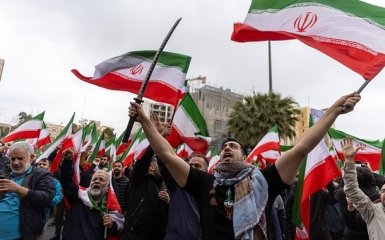
A previously missing item has appeared on Iran's list of demands to end the war: Tehran wants recognition of its sovereignty over the Strait of Hormuz.
Points of attention
- Iran is brazenly demanding full control and recognition of its sovereignty over the critical waterway, the Strait of Hormuz, which plays a vital role in global oil and gas supplies.
- The potential for Iran to have complete control over the Strait of Hormuz poses a significant threat to the stability of global energy markets and could lead to serious imbalances in the global economy.
Iran wants complete control of the Strait of Hormuz
The critically important waterway, through which a fifth of the world's oil and liquefied natural gas (LNG) supplies pass, has become the Islamic Republic's most powerful weapon.
And now Tehran is seeking to become both a source of potentially billions of dollars in annual revenue and a pressure point on the global economy.
Iran has long threatened to close the strait if attacked, but few expected it to do so — or that it would prove so effective in disrupting global trade flows.
The scale of the consequences appears to have broadened Tehran's ambitions, and the new demands suggest it is seeking to turn this leverage into something more durable.
Analysts say Iran has been partly stunned by how successful its strategy in the Strait of Hormuz has been, by how cheaply and relatively easily it can hold the global economy hostage.
"One of the lessons learned from this war is that Iran has discovered this new lever of influence and will most likely use it in the future," CNN quotes the expert as saying.
But Washington is acutely aware of the risk. US Secretary of State Marco Rubio has warned that one of the immediate challenges after the war will be Tehran’s attempts to establish a toll collection system in Hormuz.
He stated that such a condition is illegal and dangerous for the entire world.
In previous rounds of negotiations with Washington, Tehran insisted on easing sanctions and recognizing its right to develop nuclear technology for peaceful purposes, but not on control over the Strait of Hormuz.
Iran is signaling the possibility of formalizing this leverage. For example, a commission in the Iranian parliament approved a preliminary draft law on shipping in the Strait of Hormuz.
Its provisions, in particular, include a clause on monetary fees for passage through the strait. The draft also includes clauses prohibiting passage through this sea corridor for vessels affiliated with the United States or Israel.
The Strait of Hormuz was blocked by Iran in late February 2026 in response to US and Israeli strikes. This cut off the route for 20% of the world's oil and gas exports and caused a sharp rise in energy prices.
More on the topic
- Category
- Economics
- Publication date
- Додати до обраного


