
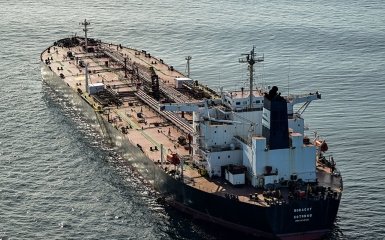
Russia's oil export revenues in 2025 fell by about 20% compared to 2024 results amid falling global energy prices.
Points of attention
- Russia's oil export revenues in 2025 fell by about 20% compared to the previous year, primarily due to the impact of falling global energy prices.
- The widening gap between Brent and Urals oil prices has significantly contributed to Russia's financial losses in the energy sector.
- Sanctions imposed by the US have further exacerbated Russia's financial situation, leading to a decline in oil revenues and increasing budget deficit concerns.
Russia is losing profits from oil sales
In November, the gap between Brent crude, now trading at its lowest level since 2021, and Russia's main crude Urals doubled.
The discount has widened to more than $24 a barrel, compared with around $15 in the previous two years, FT calculations based on Argus data show. Combined with low prices, this has cut Russia’s energy revenues by around a fifth of its annual revenue in 2025.
The shift highlights how sanctions imposed by US President Donald Trump's administration are eroding Russia's oil revenues.
“The budget deficit is certainly an important topic for Russia right now,” said Janis Kluge, a Russia expert at the German Institute for International and Security Affairs.
Oil has long accounted for a larger share of Russia's energy revenues than gas, he said, and that gap has widened due to the loss of the European gas market in 2022, making revenues more dependent on oil price fluctuations.
For some recent deliveries to India, the price has even fallen to $22-25 per barrel, barely covering the break-even price for Russia.
According to analysts, a deviation of $10 in the average Urals oil price from the budget assumption would wipe out revenues by 1.5-1.8 trillion rubles.
If low oil prices and a strong ruble persist, the deficit could reach about 3 trillion rubles by the end of the year, which is about 7.5% of the revenues Moscow expects in 2026.
In addition, sanctions have reduced the share of energy revenues in the overall budget from 50 percent at its peak to about 24 percent, the lowest level in at least a decade. To make up for the deficit, the Kremlin has had to increase VAT and taxes on small businesses.

