
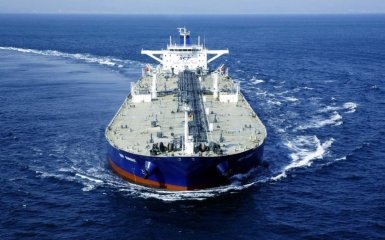
The European Council has imposed new sanctions against nine individuals and entities that facilitate the operation of Russia's so-called shadow fleet.
Points of attention
- EU has imposed new sanctions targeting individuals and entities facilitating Russia's shadow fleet operations.
- The restrictions include asset freeze, financial resources ban, and entry restrictions into the EU for those on the list.
- The sanctions aim to diminish Russia's ability to generate revenue for financing aggressive actions in Ukraine.
The EU has adopted new sanctions against Russia: who is on the lists
The restrictions are aimed at further reducing Russia's ability to generate revenue to finance its aggressive war against Ukraine. The sanctions target five individuals and four companies involved in supporting the logistics and financial chain of the shadow fleet.
The list includes businessmen associated with Russian state oil companies Rosneft and Lukoil, which control vessels transporting crude oil and petroleum products of Russian origin.
According to the EU, they concealed the true origin of the cargo and used illegal and risky transportation methods.
Sanctions have also been imposed on shipping companies based in the United Arab Emirates, Vietnam and Russia. These include owners and operators of tankers that are part of the Russian shadow fleet and have already been subject to restrictive measures by the EU or other countries.
Individuals and companies on the list are subject to an asset freeze, EU citizens and companies are prohibited from providing them with financial resources. In addition, individuals are prohibited from entering or transiting through the territory of EU member states.
Sanctions were imposed, in particular, against Azerbaijani citizens Talat Safarov and Etibar Eyyub, Pakistani and Canadian citizen Murtaza Ali Lakhani, as well as a number of companies from the UAE and Vietnam. In addition, 40 more vessels of the so-called "shadow fleet" were added to the sanctions list.
Separately, 12 individuals and 2 legal entities were subject to restrictions, which the EU Council considers to be involved in Russian hybrid operations, including disinformation operations.
Among them are representatives of the pro-Kremlin Valdai Club:
Editor-in-Chief of the journal "Russia in Global Politics" Fedor Lukyanov,
Deputy Director of the Center for Comprehensive European and International Studies of the National University of Higher Education Dmitry Suslov,
Dean of the Faculty of International Relations of MGIMO Andrey Sushentsov,
Program Director of the Valdai Club Ivan Timofeev,
Chairman of the club's board of directors Andriy Bystrytsky.
Sanctions were also imposed against a US and Russian citizen, former Florida deputy sheriff John Dugan, who spreads pro-Russian narratives online, alleged GRU officers Vladislav Borovkov, Dmitry Goloshubov, and Denis Denisenko, pro-Russian Ukrainian journalist Diana Panchenko, former Swiss Army officer Jacques Beau, and former French military officer Xavier Moreau.
In addition, the 142nd Electronic Warfare Battalion of the Armed Forces of the Russian Federation and the so-called "International Russophile Movement", which unites pro-Russian figures from different countries, were subject to restrictions.


