
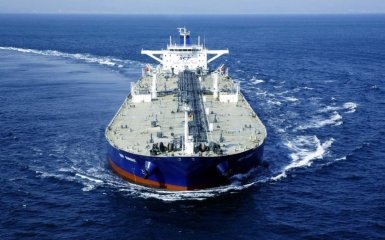
European countries are negotiating large-scale detentions of Russian oil tankers in the Baltic Sea, and new legislation is being drafted to give these measures legal force.
Points of attention
- European countries are in talks to detain Russian oil tankers in the Baltic Sea, with proposed legislation to enforce these measures.
- Russia's use of a shadow fleet for oil transportation in the Baltic Sea is causing concern due to potential environmental and security risks.
- The seizure of a Russian tanker by Finnish authorities highlights the escalating tensions between Russia and the EU regarding oil transportation.
EU plans massive detention of Russian shadow fleet tankers in the Baltic
Finnish authorities seized the tanker Eagle S in December in a large-scale operation, suspecting that it had damaged an underwater power line connecting Estonia with Finland.
The seizure of a ship carrying 100,000 barrels of oil from St. Petersburg marked the opening of a new front in the secret war between Russia and the West.
According to Politico sources, proposals being considered include using international law to seize ships for environmental or piracy reasons. If that fails, countries could act on their own, jointly enacting new national laws to seize more ships in more distant maritime zones.
"Almost 50 percent of the sanctioned trade [of Russian offshore oil] passes through the Gulf of Finland," said Estonian Foreign Minister Margus Tsahkna.
According to him, there are environmental threats, "there are attacks on our underwater infrastructure."
Now the question is... what can we do with these ships?" he told Politico. "We can't block the whole sea, but we can control more... There are many possibilities.
The talks illustrate Europe's frustration that Russia continues to transport its oil and evade Western sanctions by relying on a "shadow fleet" — old ships with unclear owners and unknown insurance.
So Moscow has been able to preserve a key lifeline for its military efforts in Ukraine, given that oil and gas account for about half of the Kremlin’s revenue. And all of this is happening right under Europe’s nose, on its own waterways.


