
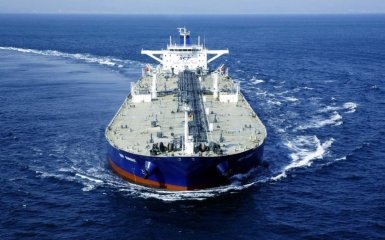
The sharp increase in sea freight has prompted some Greek shipowners to hire new tankers to transport Russian oil, despite all the risks associated with this.
Points of attention
- Greek tankers are defying risks and reputational threats to transport sanctioned Russian oil, contributing to a supply shortage in the market.
- US and EU sanctions have driven up prices and created opportunities for Greek companies to profit from transporting Russian oil, despite the associated risks.
- Greek companies like Dynacom Tankers Management and Capital Ship Management have deployed new vessels to transport Russian oil, signaling the resilience of the Russian oil trade.
Greek tankers join Russia's "shadow fleet"
Prices rose sharply in late 2025 after the US and the European Union blacklisted hundreds of tankers linked to the Russian oil trade, creating a significant supply shortage among available vessels.
And while reputational risks and the threat of sanctions have scared off many shipowners, the profits from transporting Russian oil have proven too attractive — at least for two Greek companies.
The transportation of Russian oil is not entirely illegal in itself, as long as its price does not exceed the so-called "price ceiling", but the trade may not receive support from Western companies — primarily insurance companies.
Fear of violating restrictions often held back legal operators, and this niche was filled by the so-called "shadow fleet."
For now, sanctions that have driven down Russian oil prices have created a buffer against breaches and given Greek owners the confidence to join the trade. Dynacom Tankers Management and Capital Ship Management have deployed their newest vessels to transport Russian oil, which is unusual as Russian oil is usually transported by older vessels that have almost reached — and sometimes exceeded — their statutory service life.
According to Argus Media, the average rate for transporting Urals crude oil from the port of Primorsk to the west coast of India exceeded $60 per ton in late December, the highest level in two years. For comparison, at the beginning of last year it was around $25.
The Argeus I, owned by Capital Ship Management, recently arrived at the Indian port of Paradip with more than 700,000 barrels of Urals crude, its first shipment of Russian crude, according to the data. The Rodos tanker also delivered oil to China this month, and the Samothraki transported it to the port of Vadinar in western India in December. Both vessels are controlled by Dynacom. The company has previously transported Russian crude to India, but using much older tankers.
The use of new vessels is associated with risks, and insurance companies may avoid such tankers for fear of future sanctions. However, shipowners are accustomed to taking calculated risks.
“The risk-reward ratio still looks attractive enough to attract new vessels. This underlines the resilience of the Russian oil trade,” said Angelica Kemene, head of market strategy at Optima Shipping Services in Athens.


