
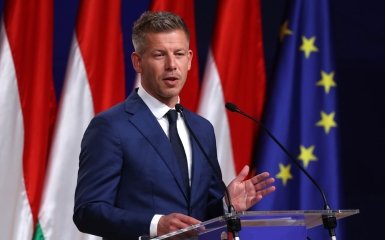
Europe will return to Russian energy sources and lift sanctions against the Kremlin after the war in Ukraine ends, Hungarian Prime Minister Peter Magyar said. And Hungary is not going to give up Russian energy sources.
Points of attention
- Hungary, under Prime Minister Peter Magyar, is committed to continue purchasing Russian gas and oil for energy security and competitive pricing.
- Despite Russian aggression against Ukraine, Hungary believes it cannot abruptly change its dependence on Russian energy due to geographical and economic factors.
Magyar promised to continue buying Russian oil and gas
When the war is over, Europe will partially return to Russian energy sources and lift sanctions, because the competitiveness of all of Europe is at stake, and no one is interested in supporting a new economic and political Cold War in the event of future peace. For this, of course, the war must end, — Magyar emphasized once again.
For its part, Hungary will continue to buy Russian gas and oil, as it did under Prime Minister Viktor Orban. His successor, Magyar, attributes this to geographical location and laments poverty.
The Hungarians elected me as Prime Minister of Hungary. My government's tasks include, among others, ensuring energy security, reliability of supply and the lowest possible energy prices. In recent years, Hungary has become the poorest and most corrupt country in the EU. Three million people live below the poverty line.

Peter Magyar
Prime Minister of Hungary
So Magyar believes that Budapest depends on Moscow's energy, and this cannot be changed, despite Russian aggression against Ukraine.
Our EU neighbors must understand that Hungary is a landlocked country. We are still dependent on Russian oil, and this cannot be changed overnight. We have not had economic growth for years, and to grow we need cheap energy. Of course, we are doing everything we can to diversify our energy sources, but we cannot afford to let the competitiveness of our businesses continue to decline and the energy poverty of Hungarian families continue to increase.


