
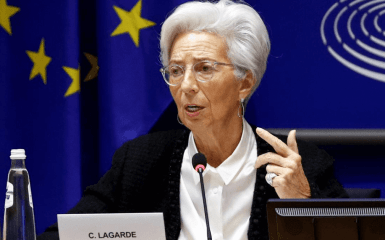
The European Union's proposal to indefinitely freeze the assets of the Russian regime is the closest to the requirements of international law on this issue.
Points of attention
- Christine Lagarde supports the European Union's proposal for an indefinite freeze of Russian assets to abide by international law.
- The EU is exploring alternatives to confiscate Russia's sovereign assets while aiming to support Ukraine.
- The President of the European Central Bank emphasizes the importance of protecting Ukraine and following principles of international law.
ECB supports EU idea on frozen EU assets
This was stated by the President of the European Central Bank, Christine Lagarde.
EU leaders have been discussing options for using frozen Russian assets to support Ukraine for a long time.
However, international law prohibits the confiscation of another country's sovereign assets, forcing the EU to consider other options, including an indefinite asset freeze.
The scheme that has been put in place and that will be discussed at the next European Council meeting... is the closest I have seen to something that is in line with the principles of international law... It is our duty as Europeans to continue to support, protect and act for the good of Ukraine.

Christine Lagarde
President of the European Central Bank
At the same time, Lagarde does not take direct part in this process, since the ECB has nothing to do with the frozen Russian funds.
However, this does not prevent it from constantly expressing concern about the use of Russian assets and referring to compliance with international law - otherwise, they say, the global reputation of the euro will allegedly be put at risk.
Moreover, Lagarde said that the EU should explain to its members what exactly is happening and promise that it will not engage in the practice of confiscating sovereign assets just because it suits its interests.
This is a very, very exceptional case, and it does not deprive Russia of ownership of these assets.
Currently, European Union countries want to quickly pass a law to freeze these assets, worth 210 billion euros, indefinitely. The reason is to prevent a possible veto by Hungarian Prime Minister Viktor Orban.


