

The aggressor country is actively increasing the production of Shahed-136 drones and other drones at the Alabuga plant in Tatarstan, using components from China and cheap labor.
Points of attention
- Russia is significantly increasing the production of Shahed-136 drones and other UAVs at the Alabuga factory in Tatarstan, powered by Chinese components and cheap labor.
- The Alabuga plant in southern Tatarstan has witnessed a rapid expansion in production, including the manufacturing of Iranian-designed strike and reconnaissance drones, amidst escalating tensions with Ukraine.
- Plans are in place to produce approximately 10,000 decoy drones by the end of 2024, highlighting Russia's strides in military technology and strategy.
- The involvement of young, low-skilled workers, such as Russian teenagers and African women, in drone assembly has raised concerns about labor exploitation and deceptive recruitment practices.
- China plays a pivotal role in providing components and technology for Russian UAV production, showcasing a complex web of international cooperation in the defense industry.
Shaheed production at the Alabuga factory continues to grow
Over the past six months, the number of Russian drone attacks has increased from about 400 in May to more than 2,400 in November, according to CNN calculations based on data from the Ukrainian Armed Forces.
At least 1,700 drone strikes were carried out in December.
As the war escalates, CNN has uncovered new details about the expansion of a secret factory fueling Russia's drone war.
It is noted that the plant in the Alabuga special economic zone in southern Tatarstan has significantly increased production of Iranian-designed strike and reconnaissance drones, using a number of Chinese components and hiring a very young, low-skilled workforce in the form of Russian teenagers and African women.
Satellite images analyzed by CNN and experts show that two additional buildings and overpasses have been built on the site, increasing the area of the complex by 55%. Security at the plant has also been beefed up following Ukrainian drone strikes.
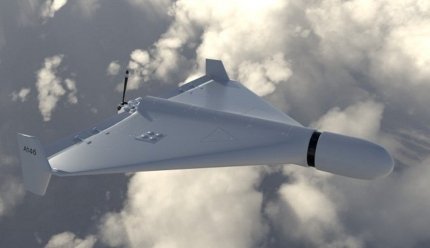
According to the released documents, Alabuga is now the main plant for the production of Shahed-136 drones, or Geran-2 as Russia calls it, with a contract to produce six thousand units by September 2025. It appears that the plant has already fulfilled this contract, CNN notes.
The Washington Institute for Science and International Security, which has been tracking Alabuga's activities since 2022, believes that 6,000 drones were produced about a year ahead of schedule.
Ukrainian military intelligence sources told CNN that Alabuga has also been producing low-tech decoy drones known as Gerberas since the summer. They are made of plywood and foam and mimic the characteristic triangular shape of Shahed drones.
According to Ukrainian military intelligence, Russia intends to produce about 10,000 of these drones by the end of 2024, almost double the number of Shahed UAVs. Cost is likely the main factor determining this strategy, given that a decoy costs ten times less than a full-fledged kamikaze drone.
The TV channel emphasizes that China, despite official statements about its "neutral position" in the Russian Federation's war against Ukraine, provides components and technologies for the production of Russian UAVs through a network of 34 companies.
According to sources, the Gerber drone is based on a Chinese prototype from Skywalker Technology, which also supplies the “kits” for their creation. An initial contract for 2,000 kits was signed in May, and in July Skywalker offered to supply another 8,000 kits, CNN sources told CNN.
The channel also notes that there is evidence that Russia has begun testing thermobaric warheads on UAVs, which create more powerful and destructive blast waves. In late October, the Kyiv Research Institute of Forensic Science found traces of thermobaric munitions, also known as vacuum bombs, on the wreckage of drones.
Russia is deceivingly recruiting African women to work in the defense industry
African women recruited to work in Russia say they were tricked into assembling drones for use in the war against Ukraine.
According to journalists, social media ads promised young African women a free plane ticket, money, and "adventures" in Europe. All they had to do was pass a computer game and a 100-word Russian language test.
But instead of studying under an internship program, the women were brought to Tatarstan, where they learned they would work at a weapons factory, assembling thousands of Iranian strike drones to be launched into Ukraine.
The Alabuga Special Economic Zone was created in 2006 to attract business and investment to Tatarstan. It expanded rapidly after the Russian invasion, and satellite images show that some enterprises have switched to military production.
Initially, Iran sent Shahed-136 drones to Russia in disassembled form, but later production was transferred to Alabuga. Alabuga is now Russia's main drone production plant.


