
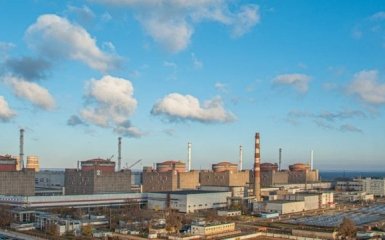
Three days without external power at the Zaporizhzhia NPP are forcing emergency generators to work at maximum capacity. Experts fear uncontrolled heating of the reactors.
Points of attention
- Prolonged blackout at Zaporizhzhia NPP poses risks of uncontrolled reactor heating, echoing concerns of a Second Fukushima scenario.
- Western experts and Ukrainian officials express fears of Russia consolidating control over the strategically vital NPP, jeopardizing European security.
Experts sound the alarm over prolonged blackout at ZNPP
The Russian-occupied Zaporizhzhia NPP has been without external power for more than three days. Emergency generators are providing cooling and safety systems, but there are no signs of a quick restoration of the line.
Western experts and Ukrainian officials fear that Russia is creating a crisis to consolidate control over Europe's largest nuclear power plant. Russia is taking high risks by trying to start even one reactor under wartime conditions.
Russia is using the nuclear power plant as leverage in negotiations, a Ukrainian official told reporters.
Meanwhile, Greenpeace experts warn of a "new critical and potentially catastrophic phase" of the occupation.
Stress tests by European regulators after the Fukushima accident in 2011 showed that nuclear power plants must have external power for 72 hours. Exceeding this period was not tested.
Seven of the 18 available generators currently provide cooling, but if they fail, the nuclear fuel in the six reactors could heat up uncontrollably for weeks, potentially leading to a meltdown.
At Fukushima, the accelerated scenario occurred due to a magnitude 9.0 earthquake: the hot reactors shut down automatically, but the emergency generators were disabled by a tsunami. Three nuclear rods melted in three days, fuel remained in the vessel, there were no deaths, but over 100,000 people were evacuated.
There are signs that Russia is close to connecting a new power line through the occupied territories. Analysis of satellite imagery has shown 125 miles of construction from the Russian grid in occupied Mariupol. Other images show the construction of a dam to create a safer water reservoir that could power one of the six reactors.
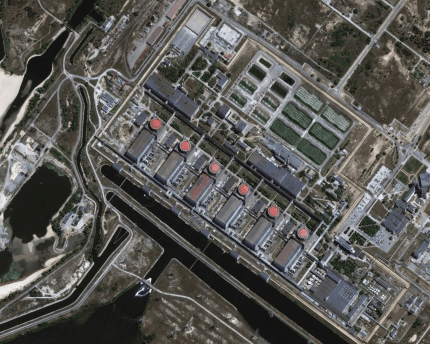
A week ago, the station's Russian director, Yuri Chernichuk, said that integration into the Russian grid was "in the final stages," although launching the reactor during wartime would be unprecedented.
Recall that on September 23, Energoatom reported that the Zaporizhzhia Nuclear Power Plant had experienced its tenth blackout since the start of the full-scale war. The company specified that the last external power transmission line connecting the plant to the Ukrainian energy system had stopped working.


