
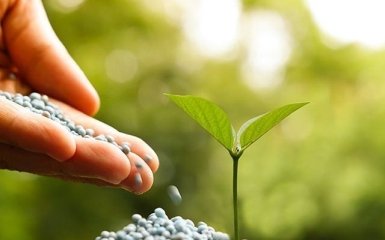
The EU intends to prevent a potential threat to food security and limit Russia's funding of its war against Ukraine.
Points of attention
- The European Parliament approved new tariffs on fertilizers and agricultural products from Russia and Belarus to prevent a potential threat to food security and limit Russia's funding of its war against Ukraine.
- The introduction of tariffs is aimed at limiting the financing of Russia's military actions against Ukraine, with tariffs on certain nitrogen fertilizers set to increase to 100% to halt trade.
- Over 70% of EU fertilizer consumption is nitrogen-containing products, with Russia accounting for 25% of imports worth about €1.3 billion, making these tariffs significant for the EU's food security.
The Europarliament adopted preventive tariffs on goods from the Russia and the Belarus
The European Parliament voted on May 22 to impose prohibitive tariffs on fertilizers and certain agricultural products from Russia and its ally Belarus.
Tariffs on some nitrogen fertilizers will increase over three years from 6.5% to an amount equivalent to about 100%, effectively halting trade.
An additional duty of 50% will apply to agricultural products.
Revenues from the sale of Russian and Belarusian fertilizers are considered a direct contribution to the war against Ukraine.
The tariff increase will take effect on July 1.
Over 70% of fertilizer consumption in the EU in 2023 was nitrogen-containing products, and Russia accounted for 25% of EU imports worth about €1.3 billion.
Russian and Belarusian grain was already subject to prohibitive tariffs last year. The new duties apply to 15% of previously duty-free agricultural imports from Russia, worth 380 million euros. This includes meat, dairy products, fruit and vegetables.
The European Commission said these imports, especially of fertilizers, make the EU vulnerable to potential coercive measures from Russia that could jeopardize EU food security.
EU imports from Belarus in 2023 were more limited: €92 million for agricultural products and €30 million for fertilizers.
The tariffs will not affect the transit of Russian agricultural exports and fertilizers to third countries. The EU has so far avoided imposing sanctions against them so as not to disrupt global supplies, especially to developing countries.
Recall that in 2023, Russia exported 4.2 million tons of grain and oilseeds to the bloc worth about 1.3 billion euros.


