
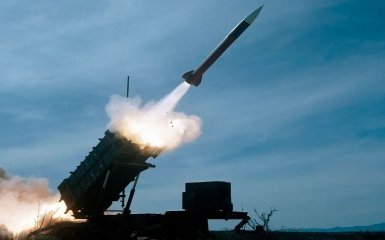
Defense forces of Ukraine shot down a Russian Iskander ballistic missile in the sky over the Odesa region.
Points of attention
- The activity of the Ukrainian military is marked by the successful defence and protection of the country's territory against Russian aggression, which is confirmed by the fact that the Iskander missile was shot down.
- The message about the downing of the ballistic missile was confirmed by the "South" air command, which indicates the successful implementation of protective measures.
- Ukrainian paratroopers have shown high efficiency in the fight against enemy drones, which is another confirmation of the country's defence readiness.
Previous "Iskander" missiles hit the port infrastructure of Ukraine
The Ukrainian Navy spokesman, Dmytro Pletenchuk, reported on July 19.
The operational-tactical missile complex "Iskander" that attacked the Odesa region yesterday was shot down. [That is] a significant event.

Dmytro Pletenchuk
Navy spokesman
According to Pletenchuk, several previous Russian missiles hit the port infrastructure of Ukraine.
The "South" air command confirmed information about the downing of the "Iskander" missile.
In the evening, the Russian occupying forces attacked Odesa with a ballistic missile, probably "Iskander-M", from the territory of the temporarily occupied Crimea, the report says.
Watch: Ukrainian paratroopers destroyed the ZALA Russian drone with "Strila" MANPADS
Assault troopers destroyed the Russian reconnaissance drone ZALA in the Pokrovsk direction.
It is noted that this is not the first enemy air target that the crew of the Strela-10 MANPADS successfully downed this drone in the Donetsk region.
The defenders of the sky are constantly on duty. Their eyes are fixed on the sky, their hearing is constantly strained, they understand all the responsibility they have taken on themselves, because not only the lives of their fellow citizens, but also peaceful residents depend on their vigilance, — says footage caption.
"Strila-10" is a short-range MANPADS system intended to cover units and parts of ground forces and small military and civilian objects directly from low-flying aircraft (planes, helicopters, cruise missiles, and unmanned aerial vehicles) when they have visual visibility.


