
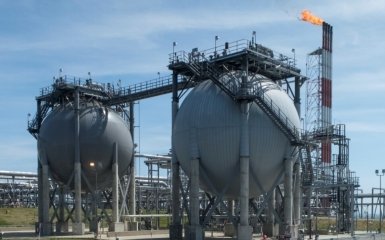
In the first quarter of this year, Europe increased imports from a Russian liquefied natural gas project as the Middle East conflict puts pressure on global LNG supplies.
Points of attention
- Europe significantly increased imports of Russian LNG from the Yamal project in the first quarter of 2026, spending around €2.88 billion on natural gas.
- The surge in European spending on Russian LNG is attributed to heightened gas prices and decreased demand in Asia, leading to a 17% increase in imports from Yamal compared to 2025.
Europe has started buying more Russian LNG
According to research group Kpler, imports from the Yamal LNG project in Siberia increased by 17% to 5 million tons in the first quarter compared to the same period in 2025. Thus, according to estimates by the environmental non-profit organization Urgewald, EU member states spent approximately 2.88 billion euros on gas from this plant.
Yamal accounts for the vast majority of Russian LNG imports to the EU. In the first three months of the year, the bloc received between 69% and 97% of the 71 cargoes from Yamal, with 25 of those arriving in March, more than in January and February.
For comparison: in the same period in 2025, this figure was 87% of 68 shipments. The remaining shipments were directed to Asia.
The decline in shipments to Asia this year is partly due to an EU ban that came into effect last year that prohibits the transfer of Russian LNG between ships and also prohibits ships from docking in EU ports before delivering cargo to non-EU countries. Demand in Asia for Russian LNG was also relatively low before the Iran crisis.
However, the 5 million tons of natural gas delivered to Europe in the first three months indicate that “European buyers have no intention of stopping buying Russian LNG,” said Sebastian Retters, an activist with Urgewald. Of these 5 million tons, 1.8 million were delivered in March, according to Kpler.
The EU's increase in spending on Russian LNG in the first quarter follows a sharp rise in gas prices last month. In March, the average gas price in Europe was around €52.87 per megawatt hour (MWh), compared with €35/MWh in January and February.
European Commission data for 2026 shows that more than two-thirds of LNG imported into the bloc today comes from the US, indicating the highest level of dependence on American supplies.
Brussels shows no desire to review the planned ban on imports of Russian LNG, which is due to take effect in January 2027. The ban on imports under short-term contracts has already taken effect.
Last month, EU Energy Commissioner Dan Jorgensen defended the EU's upcoming ban on Russian LNG, saying "it would be a mistake to repeat what we did in the past," referring to the bloc's heavy reliance on supplies from Russia before the full-scale invasion of Ukraine.


