
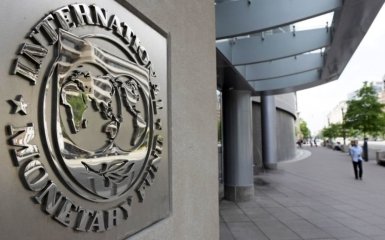
The International Monetary Fund has agreed to provide Ukraine with another tranche of a loan, despite Kyiv failing to meet one of the program's key conditions. The parties have reached a staff-level agreement that paves the way for Ukraine to receive nearly $700 million in financial assistance, Bloomberg reports, citing sources.
Points of attention
- The IMF has agreed to provide Ukraine with another tranche of $700 million in financial assistance, despite Kyiv failing to meet a key condition of the program, showcasing a level of flexibility in ongoing support.
- Negotiations between the IMF and Ukrainian authorities were complicated due to delays in implementing taxation requirements on international postal items, creating tension among Ukrainians and parliamentarians.
IMF prepares to provide Ukraine with $700 million in loan
According to the publication's sources, the agreement may be officially announced in the near future. However, the allocation of funds still requires approval from the IMF Board of Directors, which is expected next month.
Negotiations between the Fund and the Ukrainian authorities were complicated by the fact that the Verkhovna Rada did not have time to adopt the bill that the IMF insisted on. This concerns the introduction of additional taxation on international postal items worth up to 150 euros to combat the shadow economy.
Ultimately, the Fund agreed to postpone the implementation of this obligation until July, effectively giving Ukrainian lawmakers additional time to approve the relevant changes. The next review of the IMF program is scheduled for September.
The bill failed to pass in time due to its unpopularity among the population. The document provides for the introduction of a 20% VAT on international parcels. The initiative has caused concern among Ukrainians who often buy goods abroad, as well as among parliamentarians themselves.
At the same time, the ongoing war has led to a significant state budget deficit, forcing the government to seek new sources of revenue. A significant part of the budget gap is currently financed by assistance from international partners, in particular the IMF.
Previously, the Fund had already agreed to postpone the implementation of another structural milestone — the introduction of VAT for certain categories of individual entrepreneurs, which Ukraine was supposed to implement by April.
These measures were included in the terms of an $8.1 billion IMF loan program agreed last year. However, the Ukrainian authorities have faced significant resistance in parliament to implementing them.
Despite Ukraine's repeated delays in reform implementation, the Fund continues to provide financing under a four-year program. Analysts note that such flexibility is atypical for the IMF.
The Fund's program is important not only because of the funding, but also because its support is a signal to other international donors, in particular the European Union.
The EU, which approved a two-year €90 billion aid package for Ukraine, has also tied some of the funding to conditions similar to those set by the IMF, including increased taxation of international parcels. The first payment under the program is expected this month.


