
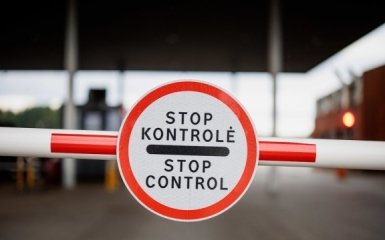
The new entry and exit system has been deployed at all border crossing points at the EU's external borders.
Points of attention
- The European Union has launched a new Entry and Exit System (EES) at all border crossing points to strengthen border security.
- The EES collects biographical and biometric data, replacing the traditional passport stamping system for non-EU citizens traveling to 29 European countries for short stays.
New digital entry and exit system launched in the EU
This was reported by the press service of the European Commission.
This day marks an important milestone in European border security, as the Entry/Exit System (EES) will be fully operational in all Schengen countries.
The EES is a cutting-edge technological system that will digitally record the entries and exits of non-EU citizens travelling to 29 European countries for short stays.
The EES collects biographical and biometric data, as well as other travel information, replacing the previous passport stamping system. It provides reliable data on border crossings, systematically detecting overstayers and cases of document and identity fraud.
The system began to be gradually implemented in October 2025. Since its launch, more than 52 million entries and exits have been registered, with over 27,000 refusals of entry, and almost 700 people identified as posing a threat to the security of the European Union.
Thanks to the fully functioning EES, registering a person takes only 70 seconds on average.
As of April 10, the system is deployed at all border crossing points at the EU's external borders, the report says, adding that the European Commission is in close contact with member states on the implementation of the EES.
The EES system was implemented to speed up border control, increase security, accurately record the duration of foreigners' stay in the EU, and combat illegal migration.
The State Border Guard Service of Ukraine previously drew the attention of citizens that the functioning of the EES system does not affect the general procedure for crossing the border and asked them to take this information into account when planning their travels. The procedure involves scanning the passport, taking a photograph and taking fingerprints of third-country nationals, including Ukrainian citizens.
A digital record of every traveler heading to the EU will be created upon first crossing the border.
At subsequent crossings, biometric data will be checked against this record.
Children under 12 years old will not have their fingerprints taken.


