
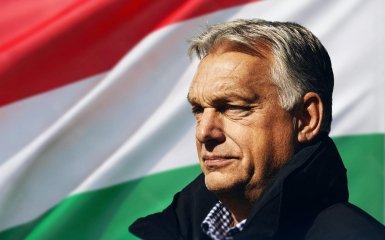
Hungarian Prime Minister Viktor Orban is determined to lift his veto on a large-scale EU loan for Ukraine, but only after Russian oil supplies are restored, Hungarian Prime Minister-elect Peter Magyar said.
Points of attention
- Despite the upcoming change in power in Hungary, the stance on aiding Ukraine remains uncertain, with Hungary potentially abstaining from financing the loan while not obstructing other EU countries from providing assistance.
- This situation underscores the intricate connection between political choices and energy-related matters, particularly concerning the supply of Russian oil and gas in the European context.
Orban may make concessions on Ukraine
According to Peter Magyar, his opponent is ready to agree to provide Ukraine with approximately 90 billion euros in financial assistance.
However, they say this will only happen when the transportation of Russian oil through the Druzhba pipeline is resumed.
What is important to understand is that Orban's team blocked this loan, linking its decision to the energy conflict between Kyiv and Budapest.
The focus was on the cessation of Russian oil supplies through Ukrainian territory, which increased tensions between the countries.
The winner of the Hungarian elections, Peter Magyar, made it clear that after the change of power, Budapest will not hinder assistance to Ukraine.
Despite this, Hungary may not participate in the financing of this loan, allowing other EU countries to advance the solution without its participation.
Overall, the situation shows how closely political decisions in the EU are now linked to energy issues — especially the supply of Russian oil and gas.


