
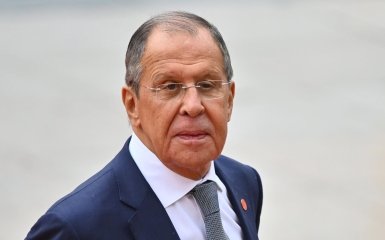
As The Washington Post has learned, Hungarian Foreign Minister Peter Szijjarto regularly calls Russian Foreign Minister Sergei Lavrov. It is important to understand that these calls take place between EU Council meetings: Orban's ally reports to Putin's team on the progress of the discussions.
Points of attention
- The revelations of Hungarian government's close ties to Russia and potential breach of EU trust may have far-reaching implications for Hungary's relationship with the EU and its reputation on the international stage.
- The Orban government's alleged collaboration with Russia highlights the growing influence of Moscow in European affairs, leading to calls for accountability and transparency in Hungary's foreign relations.
Szijjarto fulfills the whims of Putin's team
As journalists managed to find out, the Hungarian Foreign Minister regularly provides Lavrov with "live reports" on the progress of discussions at EU meetings.
He even tries to predict what decisions will be made.
Thanks to such calls, Moscow has actually been at the meeting table at every EU meeting for many years, one European insider told the media.
For years, it was Hungarian leader Viktor Orban's team that provided the Kremlin with a vital window into delicate EU discussions.
It's not just about the reports, but also about Russian hackers penetrating the computer networks of the Hungarian Ministry of Foreign Affairs.
This fact has been acknowledged by several current and former European officials, including Ferenc Fresz, the former head of the Hungarian Cyber Defense Service.
It is also worth noting that the leader of the opposition party "Tisa" Peter Magyar has already commented on The Washington Post's article about the pro-Russian efforts of the current Hungarian government.
He publicly stated that he considered Szijjártó a "traitor to Hungary."


