
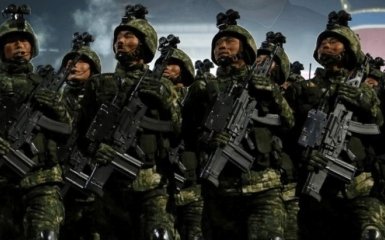
Russia could be preparing a large-scale offensive against Ukraine this summer with the support of North Korean troops. Pyongyang is planning to send up to 6,000 additional troops to Russia in July or August.
Points of attention
- South Korean intelligence reveals Russia's potential plans for a summer offensive in Ukraine with the participation of North Korean troops.
- Pyongyang is planning to send around 6,000 additional troops to Russia in July or August, indicating a possible significant role in the Kremlin's military strategy.
- North Korea has agreed to provide sappers and builders to support Russia's activities in border regions, showcasing potential cooperation in the conflict with Ukraine.
Russia will again involve North Korea in the war against Ukraine
North Korea could become a significant factor in the Kremlin's plans to intensify attacks against Ukraine.
In addition to the military, Pyongyang agreed to provide Russia with sappers and builders for work in border regions.
South Korean lawmaker Lee Sung-kwon told reporters that Russia could be preparing a new large-scale offensive against Ukraine as early as July or August, during a closed briefing by the National Intelligence Service (NIS).
North Korea has begun an active recruitment drive to send troops to help Russia. In particular, Pyongyang plans to send about 6,000 additional soldiers.
Last week, North Korean leader Kim Jong-un hosted Russian Defense Minister Sergei Shoigu in Pyongyang. According to South Korean intelligence, the meeting discussed sending about 1,000 sappers and another 5,000 military construction workers.
They are to be involved in reconstruction work in the Kursk region, which Russia partially controls after last year's fighting.
This may indicate that North Korea will not only supply weapons, but also participate in the restoration of Russian infrastructure in border regions.
According to NIS, North Korea sent about 10,000–12,000 troops to Russia last fall. An additional 3,000–4,000 soldiers arrived in early 2025. Such a large-scale deployment of personnel indicates growing military cooperation between the two authoritarian regimes.


