
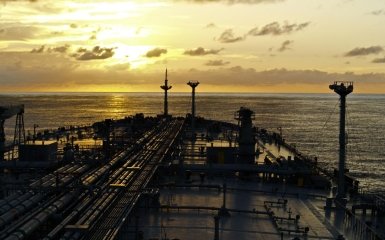
Royal Navy ships have been effectively banned from boarding vessels belonging to Russia's so-called "shadow fleet" that transport sanctioned cargo across the English Channel. Despite increased controls and loud government statements, none of these vessels have been detained or confiscated.
Points of attention
- Russian tankers carrying sanctioned cargo freely pass through the English Channel without being detained by the Royal Navy.
- The Royal Navy is facing legal risks hindering their ability to board vessels of the Russian 'shadow fleet' despite government authorization to intercept such ships.
Tankers of the Russian “shadow fleet” calmly pass through the English Channel
Patrol ships, including HMS Mersey, have been escorting Russian tankers and warships in recent weeks, but have not conducted any seizure operations.
The reason is cited as legal risks — fears of violating international maritime law are holding back active actions, even despite the possibility of special forces participating.
According to The Daily Telegraph , the ships are carrying, among other things, illicit fuel used to finance the Kremlin's military operations. Despite this, they pass through the strategic strait unhindered.
Earlier, Prime Minister Keir Starmer allowed British forces to join international operations to intercept such vessels, but in practice these measures have not yet been implemented.
At the same time, Russia is increasing its presence in the region. In particular, the movement of reconnaissance submarines near critical infrastructure — pipelines and cables in the North Atlantic — has been recorded.
Russian warships also accompany the "shadow fleet" tankers, making any attempts to intercept them difficult.
The British Ministry of Defense states that even without detentions, the fleet's actions are already having an effect — Russian ships are being forced to change routes and avoid British waters.
"We reserve the right to intercept the Russian vessel at any time," the government stressed.
London emphasizes that the goal is to cut off financial flows that support Russia's war against Ukraine.


