
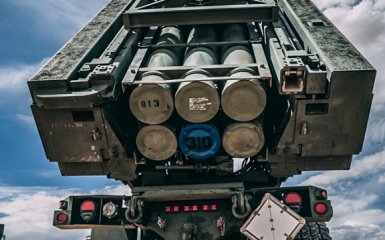
The Taiwanese military conducted its first HIMARS mobile multiple launch rocket system training exercise on the west coast of the island, located across the Taiwan Strait from China.
Points of attention
- Taiwan conducted its first HIMARS firing drills on the west coast, opposite China, to test mobility and effectiveness in case of enemy invasion.
- The exercises focused on the 'shoot and run' principle, enhancing survivability by quickly retreating after firing to avoid detection by the enemy.
Taiwan tests mobile HIMARS on coast opposite China
The beaches and mudflats on the west coast are considered the most likely place for Chinese military landings in the event of any invasion, so their defense is receiving increased attention.
The exercises were intended to test the mobility of HIMARS and their ability to operate on the "shoot and run" principle, that is, to quickly retreat after firing to avoid detection by the enemy and improve the survivability of MLRS and their crews on the battlefield.
The Taiwanese government decided to strengthen the island's defenses with HIMARS systems, taking into account the successful experience of their use by Ukraine to repel the invasion of Russia, whose army was several times larger than the Ukrainian one.
The Taiwanese military conducted the first test launches of its HIMARS MLRS last year off the east coast of the island, while the current training with the combat use of these systems on the west coast were the first such exercises.
With a range of about 300 km, HIMARS can hit coastal military targets in southeastern China's Fujian province, located on the other side of the Taiwan Strait at a distance of about 200 km.
Taiwan's defenders intend to use new powerful weapons systems with Taiwanese Thunderbolt-2000 launchers, which will allow them to strike Chinese troops as they leave ports or attempt to land on the island's coast.
Reuters notes that the Taiwanese government is modernizing its armed forces, adding new and more mobile weapons, and making their training less predictable and more similar to the situation troops will face in real combat operations.


