
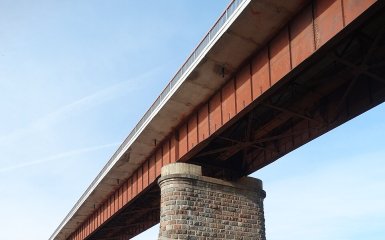
The Baltic states are increasingly preparing for a potential invasion by Russia and Belarus. Moreover, it has been reported that structures designed to blow up bridges in the event of an armed conflict have already been placed on Lithuania's border with Belarus and Russia.
Points of attention
- Finland, with a common border of over 1,340 kilometers with Russia, has been implementing a similar defensive strategy for years, emphasizing the importance of being prepared.
- Amidst tensions, European countries are urged to prioritize preparedness for defense in order to deter potential threats and conflict.
The Baltic States are determined to resolutely fight back against Russia and Belarus
The Lithuanian Armed Forces officially confirmed to media representatives that several dozen facilities for storing anti-tank and engineering barriers have already been created near the border.
Moreover, it is indicated that the military is actively planting trees to cover key roads, as well as deepening irrigation ditches.
If the need arises, they will serve as trenches and additional anti-tank barriers.
In the event of a threat or the start of hostilities, bridges near the border can be quickly destroyed to make it impossible or significantly slow down the movement of enemy units.
What is important to understand is that Finland, which has a common border with Russia of over 1,340 kilometers, has been implementing an identical strategy for many years.
According to the country's leader, Alexander Stubb, European countries should talk less and prepare more.
"We need to be prepared for the worst in order to avoid it," he stressed.


