
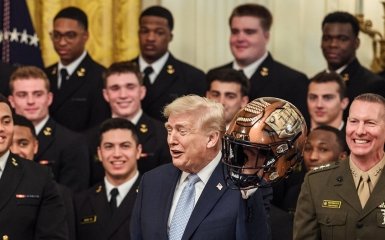
US President Donald Trump has begun to claim that the United States does not use the Strait of Hormuz and therefore has no intention of unblocking and protecting it. However, he says the US could join the process if asked by allies.
Points of attention
- Trump's stance raises questions about the future security dynamics in the region and the role of the US in ensuring the free passage of vital maritime routes like the Strait of Hormuz.
- The implications of Trump's refusal to unblock the strait and focus on Iran's operations highlight the complexities of international relations and the diverging approaches to regional security challenges.
Trump doesn't want to solve the problem he created
According to the head of the White House, his army is already close to achieving all its goals in the operation against Iran.
Trump confirmed that the main goal is the total destruction of Iran's missile capabilities and the country's defense industrial base.
Tehran's naval and air forces were also hit.
Against this background, the US president began to argue that protecting the Strait of Hormuz, which Iran has been blocking for several weeks, is the task of the countries that use this passage.
The Strait of Hormuz will have to be guarded and controlled, if necessary, by other countries that use it—the United States does not! If asked, we will assist these countries in their efforts regarding Hormuz, but this should not be necessary once the threat from Iran is eliminated.

Donald Trump
President of the United States
The American leader believes that the process of unblocking the strait will be "easy."


