
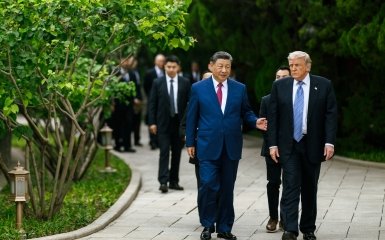
US President Donald Trump has unexpectedly warned Taiwan against declaring independence. His statement came after an official visit to China and talks with Chinese President Xi Jinping.
Points of attention
- Trump's stance underscores efforts to maintain stability and peace, emphasizing the preference for diplomacy over military intervention in the region.
- The implications of Trump's alignment with China on Taiwan's independence efforts and the delicate balance of US-China-Taiwan relations highlight the complexities of geopolitical dynamics in East Asia.
Trump betrayed another US ally
The journalist asked the White House chief of staff whether the people of Taiwan could feel safe after his talks with the head of the PRC in Beijing.
Let me put it this way: I don't want anyone to become independent. And, you know, we'd have to travel 9,500 miles to fight. I don't want that. I want them to calm down. I want China to calm down.

Donald Trump
President of the United States
What is important to understand is that Xi recently threatened the US with "clash and even conflict" over Taiwan's plans.
After these statements, the American leader did not want to answer whether he would sign the long-delayed $14 billion US arms package for Taiwan.
Despite the fact that US lawmakers preliminarily approved this package back in 2025, the Trump team is actually slowing down the process of providing it.
We don't want wars. If we leave things as they are, I think China will accept it. But we don't want someone to say, "Let's declare independence because the United States supports us," the White House chief said.


