
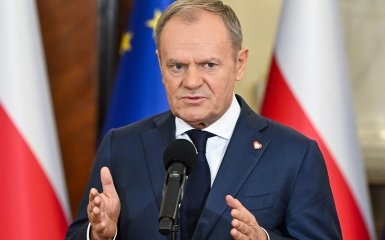
Polish Prime Minister Donald Tusk is unsure whether the United States will be true to its commitment to NATO to defend Europe in the event of a Russian attack.
Points of attention
- Polish Prime Minister Donald Tusk raises concerns about the US's readiness to defend Europe in case of a Russian attack.
- Tusk emphasizes the necessity of practical NATO cooperation in responding to potential aggression from Russia.
Tusk doubts US readiness to defend European countries from Russia
Donald Tusk said that “the biggest and most important question for Europe is whether the United States is ready to be as loyal as described in our NATO treaties,” and warned that Russia could attack an alliance member “within months.”
For the entire eastern flank, my neighbors... the question is whether NATO is still ready, politically and logistically, to react, for example, against Russia if it tries to attack.

Donald Tusk
Prime Minister of Poland
Tusk noted that his words should not be perceived "as skepticism about Article 5 (NATO's mutual defense commitment)," but rather as "his dreams that guarantees on paper will turn into something very practical."
"This is something really serious. I'm talking about the short term, months, not years," Tusk said, referring to a potential Russian attack.
He added that it is really important for Warsaw to know that everyone will take their NATO commitments as seriously as Poland does.
Tusk said he "has no complexes" about US-Polish ties.
Washington regards Poland as its best and closest ally in Europe. But for me, the real problem is what will happen in practice if something happens.
I want to believe that Article 5 is still valid, but sometimes, of course, I have some problems. I don't want to be so pessimistic... but today we also need a practical context.


