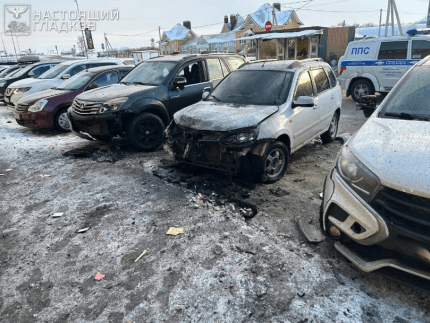
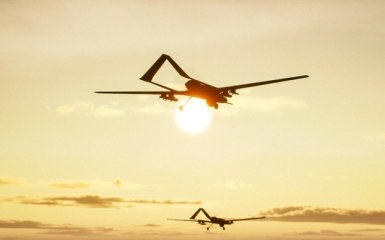
On January 4, loud explosions are heard again in the capital of the aggressor country, Russia — enemy air defense forces are trying to shoot down dozens of drones attacking Moscow from different directions.
Points of attention
- Governors in affected areas have raised concerns about the drone attacks on critical infrastructure, leading to widespread repercussions.
- The unfolding situation highlights the increasing use of drones in modern warfare and the challenges they pose to traditional defense systems.
“Bavovna” in Moscow — what is known
The fact of the attack on the Russian capital was confirmed by Moscow Mayor Sergei Sobyanin.
He traditionally does not disclose the number of Ukrainian drones carrying out the airstrike, however, according to eyewitnesses, it is about dozens of drones.
As of 4:00 p.m., Sobyanin announced the neutralization of 23 drones flying towards Moscow.
Later, it became known about restrictions on work at Vnukovo, Domodedovo, and Zhukovsky airports.
Against this background, the governor of the Kursk region of the Russian Federation, Alexander Khinshtein, began to complain that more than 11,000 people in the region were left without electricity due to an attack by the Ukrainian Armed Forces.
Moreover, Ukrainian drones allegedly carried out an attack on an energy facility in the village of Khomutovka, which led to power outages in 115 settlements.
Later, Governor Gladkov reported a drone attack on a commercial facility in the village of Rozumne, Belgorod District.