
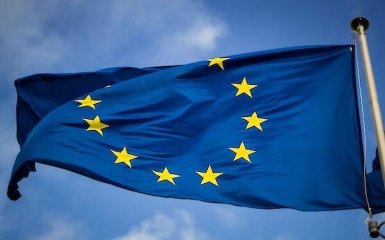
On June 15, Ukraine opened the first cluster in negotiations on joining the EU.
Points of attention
- EU countries have agreed to start negotiations on the first cluster of the accession process with Ukraine and Moldova, focusing on key aspects such as justice, freedom, and fundamental rights.
- The EU accession process for Ukraine and Moldova involves harmonizing legislation with European Union norms across six negotiation clusters, each consisting of several chapters.
- Enlargement is seen as a strategic choice and a valuable investment in a shared future based on peace, security, and prosperity by the European Commission.
Ukraine and Moldova open first cluster of EU accession negotiations
This is reported by the European Commission.
All EU countries have reached an agreement to start negotiations on the first cluster of the accession process with Ukraine and Moldova. Today we are starting negotiations on key aspects of the accession process, including justice, freedom and fundamental rights.
They added that Ukraine and Moldova have done a tremendous job.
Enlargement is our strategic choice. It is our best investment in a shared future based on peace, security and prosperity.
Negotiation clusters are areas of legislation in which Ukraine will be required to carry out reforms in order to join the EU.
There are six clusters in total:
Foundations;
Domestic market;
Competitiveness and inclusive growth;
Green Agenda and Sustainable Connectivity;
Resources, agriculture and cohesion;
External relations.
Each cluster includes several sections in which Ukraine must harmonize its legislation with the norms of the European Union. There are 35 such sections in total. The "Fundamentals" cluster is always opened first.
The optimistic scenario is that all six clusters will be open by the end of July. The pessimistic scenario is that this process will be completed around the fall.
In the course of working on clusters, each ministry must develop detailed "roadmaps" of reforms and adapt hundreds of European directives to Ukrainian realities — either through laws or in the form of subordinate legislation such as resolutions and orders.
At the same time, each step will have to be coordinated with the European Commission. At the same time, the Verkhovna Rada must promptly vote on European integration laws.
The clusters should close when the laws are brought into line with European norms. After that, it is only a political decision by the European Union regarding Ukraine's accession.
In this process, the entire burden of responsibility is shifted to Ukraine — the speed of reforms will depend only on the parliament, government, and other authorities.


