
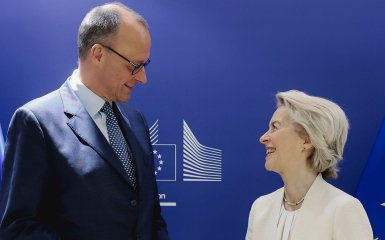
German leader Friedrich Merz has officially confirmed that the European Union will launch its 18th package of sanctions against Russia on June 26. The German Chancellor made it clear that it will be really tough.
Points of attention
- Despite the push for increased sanctions, Donald Trump expresses reluctance, citing concerns about disrupting negotiations with Russia.
- The implications of escalating sanctions on Russia and the dynamics of international relations amidst differing approaches towards pressuring the Kremlin are critical aspects to observe.
What to expect from new EU sanctions against Russia
We must increase the level of economic pressure on Moscow. The European Union is working on this, and tomorrow, finally, they will launch the 18th package of sanctions. But this package alone will not be enough.

Friedrich Merz
Chancellor of Germany
Against this background, the German leader called on US President Donald Trump's team to participate more actively in this process.
Friedrich Merz also hopes that the US Senate will pass a law on new sanctions against Russia in the near future.
As the German Chancellor noted, he had already discussed this issue with the head of the White House, and also urged him to personally approve new restrictions against the Russian Federation.
What is important to understand is that the American leader is in no hurry to increase sanctions pressure on the Kremlin.
Donald Trump continues to claim that he is afraid of disrupting the negotiation process with Moscow in this way.


