
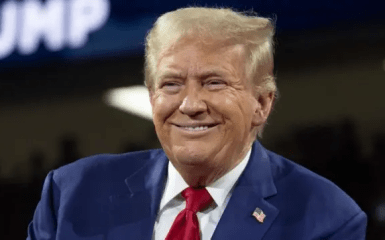
US President Donald Trump has given the green light to a bipartisan bill on sanctions against Russia.
Points of attention
- The new bipartisan bill on sanctions against Russia, approved by President Trump, includes 500% duties on imports of goods from countries purchasing Russian oil.
- The initiative demonstrates broad support from Republicans and Democrats, indicating unity on the issue of imposing sanctions against Russia.
- Republican Senator Lindsey Graham highlights the bill's potential to give President Trump leverage over countries buying cheap Russian oil, which fuels Putin's aggression against Ukraine.
Trump is not against new anti-Russian sanctions
This was stated by Republican Senator Lindsey Graham on the social network X.
Lindsey Graham said he had a "very productive" meeting with President Trump on a variety of issues. And he approved a bill on sanctions against Russia.
This will be timely, as Ukraine makes concessions for peace, while Putin only talks while continuing to kill innocents.

Lindsey Graham
US Senator
The senator noted that this bill would allow President Trump to punish those countries that buy cheap Russian oil, which fuels Putin's war machine.
This bill would give President Trump enormous leverage over countries like China, India, and Brazil to encourage them to stop buying cheap Russian oil, which is funding Putin’s bloodshed against Ukraine.
Lindsey Graham added that he looks forward to a "strong bipartisan vote" as early as next week.
After a very productive meeting today with President Trump on a variety of issues, he greenlit the bipartisan Russia sanctions bill that I have been working on for months with Senator Blumenthal and many others.
— Lindsey Graham (@LindseyGrahamSC) January 7, 2026
This will be well-timed, as Ukraine is making concessions for peace…
Lindsey Graham is a co-sponsor of a bill that would impose 500% tariffs on imports into the United States from countries that purchase Russian oil, petroleum products, natural gas, or uranium. The bill would impose both primary and secondary sanctions against Russia and those who support the Kremlin's aggression against Ukraine.
Among the 50 co-sponsors of the bill in the Senate, there are an equal number of Republicans and Democrats, indicating broad bipartisan support for the initiative.


