
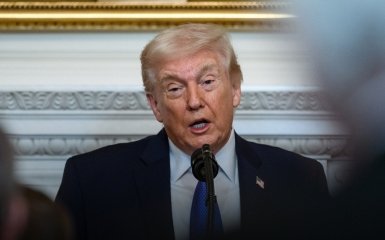
As the media learned from their insiders, US President Donald Trump and Israeli leader Benjamin Netanyahu had a telephone conversation on February 23. It was during this conversation that they finally decided to launch an operation against Iran on Saturday, February 28.
Points of attention
- Their decision marked a significant escalation in tensions in the Middle East, with potential implications for regional security and diplomatic relations.
- The insights from anonymous sources shed light on the intricate dynamics of international politics and the delicate balance of power in the Middle East.
Netanyahu convinced Trump to attack Iran
According to three insiders, the Israeli leader told Trump that the Supreme Leader of Iran and members of his team would have to meet at the same location in Tehran on the morning of February 28.
For Tel Aviv and Washington, this was a unique opportunity to destroy the top of the Iranian regime with just one blow.
Anonymous sources claim that Trump and Netanyahu planned to strike a week earlier, on February 20-21, but changed their minds due to adverse weather conditions.
What is important to understand is that the head of the White House deliberately did not focus on the topic of Iran in his annual address to Congress, so as not to scare the ayatollah prematurely and disrupt the operation to eliminate him.
That same day, US President's envoys Jared Kushner and Steve Witkoff called from Geneva after several hours of talks with the Iranians and reported that diplomacy with Tehran had led nowhere.


