
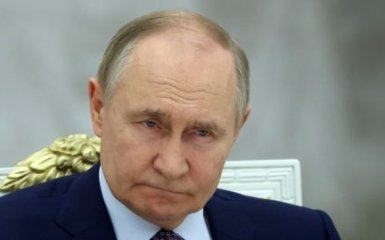
After the summit in Alaska, the United States and Russia may begin discussions on a new treaty on the reduction of strategic offensive arms (STOL), according to illegitimate Russian President Vladimir Putin.
Points of attention
- The United States and Russia may initiate discussions on a new treaty for reducing strategic offensive arms post the summit in Alaska.
- Putin praised the US efforts in resolving conflicts and creating peace in Europe, opening the path to a potential new treaty.
- In 2023, Russia suspended its participation in the Strategic Offensive Arms Treaty due to US development of new nuclear munitions, leading to potential negotiations for a new agreement.
Putin “swings” at a new treaty with the US
On August 14, Putin held a meeting dedicated to his upcoming meeting with US President Donald Trump.
The Kremlin leader praised the American authorities for "quite energetic and sincere efforts" not only to resolve Russia's war against Ukraine, but also to "create long-term conditions for peace in Europe and the world as a whole."
Putin did not rule out that in the next stages the US and Russia could "reach agreements in the area of control over strategic offensive arms."
In 2023, Russia decided to suspend its participation in the Strategic Offensive Arms Treaty, which is in effect until February 2026.
Speaking about the reason for this decision, the Kremlin leader, as usual, shifted all responsibility to the United States. According to him, Washington is allegedly developing new types of nuclear munitions.
He also threatened to resume nuclear weapons testing if the United States did so.
Within the framework of the SNF Treaty, Russia and the United States set targets for reducing strategic offensive weapons. In particular, for deployed intercontinental ballistic missiles (ICBMs), the limit was 700 units.
At the same time, the treaty provided for mutual inspections at nuclear facilities — this was the main control mechanism.


