
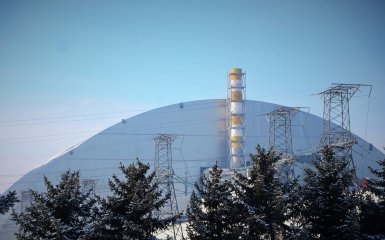
The UN nuclear inspectorate has officially confirmed that the Chernobyl nuclear power plant's protective shield, built to contain radioactive materials from the 1986 disaster, can no longer perform its main safety function after a Russian drone attack.
Points of attention
- The drone strike in February 2025 damaged the protective coating around the fourth reactor of the Chernobyl NPP, highlighting the vulnerability of nuclear facilities to external threats.
- Ukraine authorities reported that repairs have been made, but further restoration efforts are essential to safeguard the Chernobyl nuclear power plant from future incidents.
What is known about the situation at the Chernobyl NPP?
A new serious one was discovered during an inspection of the station's steel protective structure — it was damaged by a Russian drone strike in February 2025.
IAEA Director General Rafael Grossi made a statement on this occasion.
According to him, the inspection mission "confirmed that (the protective structure) has finally lost its basic safety functions."
What is important to understand is primarily the ability to contain radioactive materials.
Despite this, no permanent damage to its supporting structures or monitoring systems has been recorded."
Grossi noted that repairs have already been made, but comprehensive restoration remains necessary to prevent further deterioration and ensure long-term nuclear safety.
On February 14, the UN reported that, according to Ukrainian authorities, a drone carrying an explosive warhead hit the plant, causing a fire and damaging the protective coating around the fourth reactor, which was destroyed in the 1986 disaster.


