
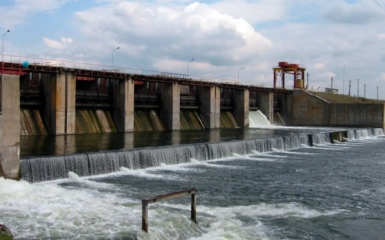
On April 14, Russian invaders dropped six guided bombs on a dam in the Kharkiv region. What is important to understand is that this is critical infrastructure located on one of the largest reservoirs in the region.
Points of attention
- This recent incident adds to the history of Russian aggression towards the Pecheneg Reservoir, with previous attacks putting surrounding areas at risk of flooding.
- Efforts are ongoing to safeguard the infrastructure and ensure that the city of Kharkiv and nearby communities have access to essential water resources amidst the conflict.
Russia attacks Ukrainian reservoirs again
The fact of a new enemy attack was confirmed by the head of the Kharkiv Regional Military Administration, Oleg Synegubov.
The enemy continues to shell our settlements and civilian infrastructure. Today, the occupiers directed 6 guided bombs at the Pechenizka Dam in the Chuguiv district.

Oleg Sinegubov
Head of the Kharkiv Regional Military Administration
He drew attention to the fact that this is one of the largest reservoirs in the region, as well as a critically important facility.
Moreover, it is noted that almost simultaneously, the Russian army carried out an air attack on Kharkiv using Molniya and Shahed UAVs.
According to Sinegubov, all services, namely emergency medical assistance, the National Police, and units of the State Emergency Service, are working on the ground and are promptly eliminating the consequences.
What is important to understand is that the Pecheneg Reservoir largely provides water to the city of Kharkiv and the settlements of the region.
In September 2022, a missile attack on a dam in the Chuguiv district threatened to cause widespread flooding in the surrounding areas. Last year, the Russians also damaged this critical infrastructure.


