
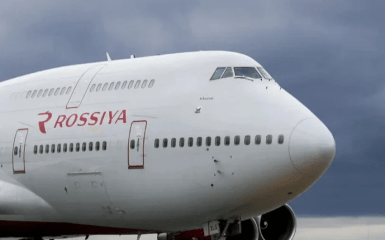
By 2030, Russia must decommission 230 outdated aircraft, which are 40–60 years old, and 109 foreign aircraft that cannot be fully serviced.
Points of attention
- Russian civil aviation is at risk due to the decommissioning of over 230 outdated domestic aircraft and 109 foreign aircraft by 2030, leading to a technical famine in the industry.
- Sanctions and restrictions on spare parts have disrupted flight safety and maintenance procedures in the Russian aviation sector.
The crash of Russian civil aviation: what is known
Russian civil aviation is entering a period of increased risks amid sanctions, spare parts shortages, and an aging fleet.
Despite claims of relatively high demand and flight occupancy, the industry faces systemic constraints that will significantly impact both flight safety and traffic volumes in the coming years.
The most pessimistic scenario was voiced by the head of Rosaviatsia, Dmitry Yadrov, predicting the retirement of 339 aircraft by 2030.
About 109 foreign aircraft that cannot be fully serviced and 230 outdated Soviet aircraft, which are 40–60 years old, will be decommissioned.
Given that ambitious import substitution plans have effectively failed — out of 15 commercial airliners planned for 2025, only one has been delivered — the industry faces a real risk of "technical famine," the SZRU assures.
Western sanctions, imposed after the start of a full-scale war against Ukraine, have become the biggest problem for Russia, according to the SZRU.
Due to restrictions on the supply of new aircraft and spare parts from Boeing and Airbus, Russian carriers are forced to maintain the airworthiness of more than 700 aircraft through parallel imports and dismantling some of the aircraft for spare parts.
In particular, due to problems with spare parts, more than a third of long-haul aircraft needed for flights to the Far East and abroad are not in operation.
Of the 93 foreign wide-body passenger airliners remaining in Russia, fewer than 60 are on the wing. Moscow even appealed to the International Civil Aviation Organization to relax the sanctions regime, citing flight safety issues, the SZRU reminds.
Against this background, Ural Airlines announced the launch of a program to extend the service life of Airbus A320 family aircraft by more than 96 thousand flight hours based on its own technical center.
Carrying out such work outside of manufacturer-certified centers could distance Russian aviation from international safety standards. In conditions of limited access to original components and manufacturer technical support, this creates additional operational risks.
In the most pessimistic scenario, by 2030, the Russian tourism industry will experience a significant drop in domestic and outbound flows, and the regions will face the risk of transport isolation, Ukrainian intelligence claims.
Long-term consequences may include a decrease in flight safety if outdated aircraft continue to be operated without full access to international technical support infrastructure.


