
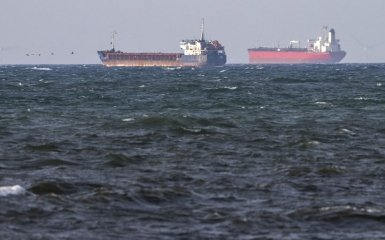
Swedish prosecutors have lifted the arrest of the Russian captain of the bulk carrier Caffa: the vessel is linked to the export of Ukrainian grain from the temporarily occupied territories. The bulk carrier itself remains under a ban on operation.
Points of attention
- The Swedish prosecutor's office has canceled the arrest of the Russian captain of the bulk carrier Caffa, linked to the export of Ukrainian grain from the temporarily occupied territories.
- The captain was in custody on suspicion of using false documents, but extensive investigations could not prove his knowledge of the situation.
Sweden releases Russian captain involved in grain smuggling from Ukraine's TOT
The vessel was detained by the coast guard in the Baltic Sea near the city of Trelleborg. The captain has been in custody since March 10 on suspicion of using forged documents under aggravated circumstances.
This is reported by Sweden Herald.
Prosecutor Adrien Combier-Hogga said the false documents indicated that the ship was flying the Guinean flag, but despite extensive investigations, it was not possible to prove that the captain knew about it.
The bulk carrier was banned from operation due to safety deficiencies. According to the prosecutor's office, work is currently underway to eliminate them. In addition, the investigation into the vessel is ongoing.
According to the GUR, the vessel "Caffa" was involved in the theft of grain from the temporarily occupied territory, in particular in July 2025 from the port of Sevastopol. The vessel was unloaded in the Syrian port of Tartus. On November 25, 2025, Ukraine imposed sanctions against this vessel.
Russia has created a shadow fleet, a network of oil tankers used to circumvent international sanctions imposed over its aggression against Ukraine. This fleet allows the Kremlin to continue exporting oil, including to China and India, even after restrictions on Russian oil imports to the EU were imposed.
According to the Main Intelligence Directorate of the Ministry of Defense of Ukraine, the Russian shadow fleet includes over a thousand tankers, including 238 vessels that are actively involved in circumventing sanctions. These tankers often change flags, disable tracking systems, and operate without proper insurance, making them difficult to detect and identify.
undefined


