
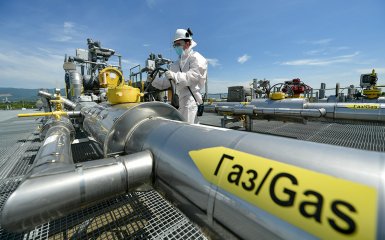
The Council of the European Union and the European Parliament have reached a political agreement on a regulation that sets out the rules for phasing out imports of Russian natural gas. If the document is eventually approved, a complete ban will come into effect by the end of 2027.
Points of attention
- To ensure strict enforcement of the ban, Brussels plans to implement a system of prior import authorization for Russian gas, requiring information submission at least a month before delivery.
- This move signifies a significant shift in the EU's energy strategy and a strong stance against reliance on Russian energy sources, marking a pivotal moment in the region's energy transition.
The EU plans to completely abandon Russian gas
Journalists point out that the agreed regulation is a key element of the REPowerEU plan, which aims to strengthen Europe's energy independence.
In addition, it is indicated that this document actually introduces a legally binding complete ban on the import of Russian gas — both liquefied (LNG) and pipeline gas.
The final ban on long-term pipeline gas contracts will come into effect no later than November 1, 2027.
For long-term LNG agreements, the restrictions will come into effect on January 1, 2027. For short-term contracts concluded before June 2025, a transition period is provided: the ban on Russian LNG will come into effect on April 25, 2026, and on pipeline gas — on June 17, 2026.
What is important to understand is that in order to 100% guarantee compliance with the ban, official Brussels plans to introduce a system of prior import authorization.
This means that for Russian gas, information will need to be submitted at least a month before delivery.


