
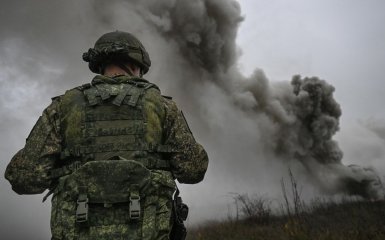
Ukrainian soldiers have experienced the first positive changes on the battlefield after the Russian invaders lost the ability to use Starlink terminals. First of all, it is a reduction in the number of assaults by the enemy.
Points of attention
- The Ukrainian Defense Minister officially acknowledged the operational success in blocking Russian Starlink terminals, leading to positive changes in the military dynamics at the front.
- Public complaints from Russian military leaders highlight the setback caused by the blocking of Starlink, indicating a shift in the principles of warfare for the Russian army.
The situation at the front began to change
This was reported to Radio Liberty by anonymous sources in the General Staff of the Armed Forces of Ukraine.
According to insiders, Russian soldiers have already reduced the number of assaults on the battlefield after an agreement between Ukraine and SpaceX to block unregistered Starlink satellite internet terminals
What is important to understand is that in some areas of the front, the enemy has generally abandoned offensive actions against the backdrop of recent events.
Journalists draw attention to the fact that the summary of the General Staff of the Armed Forces of Ukraine dated February 5 (4:00 PM) mentions only 56 combat clashes at the front since the beginning of the day.
On the same day, Ukrainian Defense Minister Mykhailo Fedorov officially confirmed that the Starlink satellite Internet terminals included in the “white list” are working, and those used by the Russian invaders have already been successfully blocked.
Interestingly, some Russian military leaders publicly complain that blocking Starlink for the Russian army has effectively set it back to the last century in terms of the principles of warfare.


