
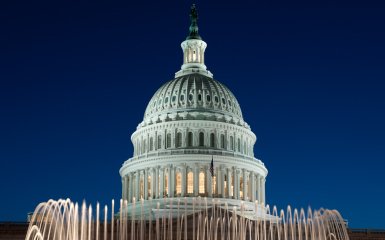
The American government has largely stopped its work - the so-called shutdown has begun, amid serious party disagreements that have prevented Congress and the White House from reaching an agreement on funding.
Points of attention
- Democrats and Republicans clash over including health care benefit extensions in the bill, raising concerns about the duration and severity of the shutdown.
- The US president's threats of cutting government programs and federal payroll escalate tensions, hinting at potential long-lasting effects similar to the longest shutdown in US history.
US shutdown — what we know so far
What is important to understand is that this is the first government shutdown in the last 7 years.
It all started after the Senate rejected a short-term funding bill that would have kept the government running until November 21.
According to experts, the shutdown will slow down air travel, halt scientific research, deprive the American military of their salaries, and send 750,000 federal employees on forced leave.
Democrats opposed the bill because of Republicans' refusal to include an extension of health care benefits for millions of Americans that expire at the end of the year. Republicans insist that the issue should be addressed separately.
American analysts point out that this time the shutdown may last longer than previous ones.
The main reason is that the US president and White House officials are threatening to punish Democrats by cutting government programs and the federal payroll.
What is also important to understand is that the longest government shutdown in US history lasted over 35 days in December 2018 and January 2019 during Trump's first term.


