
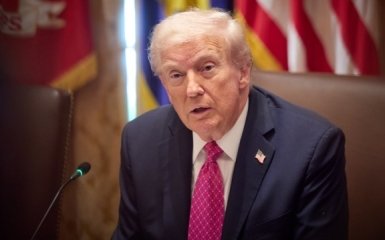
US President Donald Trump said he had called off a "second wave of strikes" on Venezuela because Caracas was "cooperating well" with Washington, particularly on issues of oil and political prisoners.
Points of attention
- US President Donald Trump cancels “second wave of strikes” on Venezuela due to positive cooperation in oil and political prisoner issues.
- Venezuela releases political prisoners as a gesture towards peace and demonstrates willingness to work with the United States.
- Meeting scheduled at the White House with top US oil company managers to discuss potential investments of $100 billion in Venezuela.
Trump made an important statement regarding the future of Venezuela
Trump stated this on his own social network Truth Social.
Trump noted that Venezuela had agreed to release "a large number of political prisoners" to demonstrate to the United States its "desire for peace."
Washington and Caracas also found common ground on oil issues.
This is a very important and wise gesture. The United States and Venezuela are working well together, especially on rebuilding its oil and gas infrastructure in a much bigger, better, and more modern form. Because of this cooperation, I have canceled the previously anticipated "second wave" of attacks, which will likely not be necessary, but all ships will remain in place for security reasons.

Donald Trump
President of the United States
He also announced that a meeting will be held at the White House on January 9 with top managers of the largest US oil companies. Trump expects that they will agree to invest at least $100 billion in Venezuela.
Interestingly, the day before, on January 8, the US Senate supported consideration of a resolution that would deprive Trump of the ability to take further military action in Venezuela without congressional approval. The document is to be considered by the House of Representatives, and the White House has said that Trump will veto it.
It is also known that US oil companies are demanding legal and financial guarantees from the administration to invest in Venezuela's oil sector. Company executives want clear guarantees of investment protection, since Caracas has already nationalized their assets in the country.


