
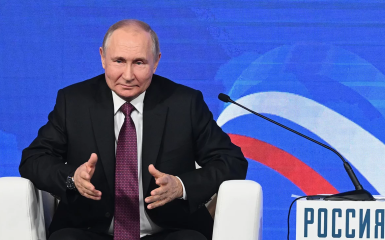
US leader Donald Trump has rejected Russian dictator Vladimir Putin's idea of exporting enriched uranium from Iran to Russia as part of a potential peace deal.
Points of attention
- The rejection of Putin's proposal showcases the White House's prioritization of nuclear safety and its cautious approach to potential peace deals involving sensitive materials.
- The failed negotiation highlights the complexities of international relations and the challenges in finding common ground on delicate matters such as nuclear security.
Putin failed to fool Trump
Kremlin spokesman Dmitry Peskov made a statement on this matter.
He officially confirmed that Putin's initiatives regarding Iran are currently "not on the negotiating table" and "not in demand" by the United States.
The Russian dictator's spokesman added that Moscow is ready to accept Iranian uranium and has repeatedly stated this before.
Despite this, the White House has shown no interest in such an initiative.
What is important to understand is that this is a proposal that Putin made during a phone call with US President Donald Trump on March 9.
The focus of the parties was the Russian-Ukrainian war and the situation in the Middle East.
Putin offered to transport about 450 kilograms of enriched uranium from Iran to Russia as part of a possible deal to end the war. However, Trump rejected the idea.
According to media insiders, the White House insists on guarantees of safe storage of nuclear materials, so it does not consider the Russian option acceptable.


