
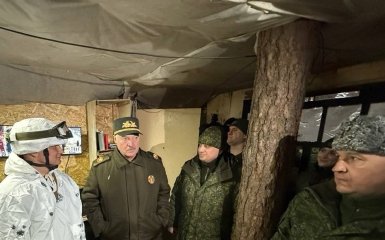
Belarusian dictator Alexander Lukashenko unexpectedly began to claim that there would be no military action by Belarus against Ukraine, and also apologized to Ukrainian leader Volodymyr Zelensky for public threats.
Points of attention
- The apology signifies Lukashenko's attempt to backtrack on his aggressive rhetoric towards Zelensky, indicating a wider attempt to diffuse the volatile situation.
- The conflicting narratives between Lukashenko and Zelensky highlight the precarious nature of diplomatic relationships and power dynamics in the region.
Lukashenko made a decisive move in the conflict with Zelensky
As Putin's associate stated, he went too far with his harsh words towards the Ukrainian president.
Despite this, Lukashenko assured that he was simply responding to Zelensky's statements.
This was a response to his baseless statements: "Yes, we have 500 targets, yes, we know where Lukashenko is. Tomorrow we will strike with missiles, drones." I was silent. Even everyone was surprised that I was silent. I understood: a person is under such pressure, a young person, inexperienced, he is not a military man.

Alexander Lukashenko
Belarusian dictator
According to the illegitimate president of the Republic of Belarus, he decided not to remain silent anymore when threats from Zelenskyy were made.
However, as it turned out, Lukashenko now regrets that he was too harsh.
If Volodymyr Oleksandrovych was offended, I apologize to him for these words. Perhaps it was not necessary, given that he is still fighting. Perhaps I should not have spoken so sharply about it. But, on the other hand, he should understand, we often say: as they sing, so they mourn.
Lukashenko also cynically added that Zelenskyy, they say, "needs to calm down."


