
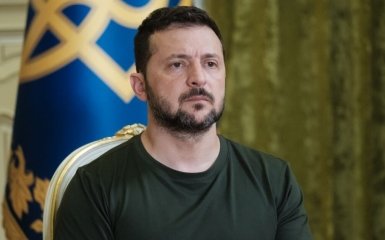
President Volodymyr Zelenskyy has suggested that European countries conclude bilateral drone deals with Ukraine; according to him, this will significantly strengthen the security of the continent.
Points of attention
- President Zelenskyy suggests European countries sign bilateral drone deals with Ukraine to strengthen continent's security.
- Ukraine's defense experience in real war equips it as an expert in military technology, offering valuable expertise to European nations.
Zelenskyy made a defense proposal for EU countries
The head of state stated this during a speech at the Bucharest Nine summit.
I believe we all need bilateral Drone deals — agreements that will help integrate every part of national defense so that we can respond to modern threats, using European production capabilities and Ukraine's expertise, proven in real defense during real war.

Volodymyr Zelenskyy
President of Ukraine
He noted that he had already proposed the Drone deal to the European Union, but, in his opinion, this system should be developed "both at the level of European institutions and at the level of countries."
The President explained the importance of Ukrainian expertise by the fact that during war, technologies change rapidly, and only experience can show which ones actually work.
It’s just that now many might think that in modern warfare the main thing is simply to have tools, such as interceptors, different types of drones, electronic warfare systems. But the reality of modern warfare is that military technology changes very quickly, every day. It’s not enough to just have the tools — you also need real expertise in using these systems and the same speed of adaptation as the threats themselves. It’s just that right now, only we have this expertise.
He called for combining European capabilities and Ukrainian experience to strengthen security. In particular, he said, this can be done by actively using the capabilities of the SAFE program, "which gives Europe the opportunity to rearm now and adapt our European defense production to modern challenges."


